Rigorous Hope: Lessons from the East Africa Summer Institute
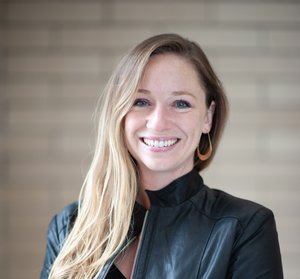
Lety Madrigal - IGLI Graduate Intern, Human Rights M.A. Candidate ‘27
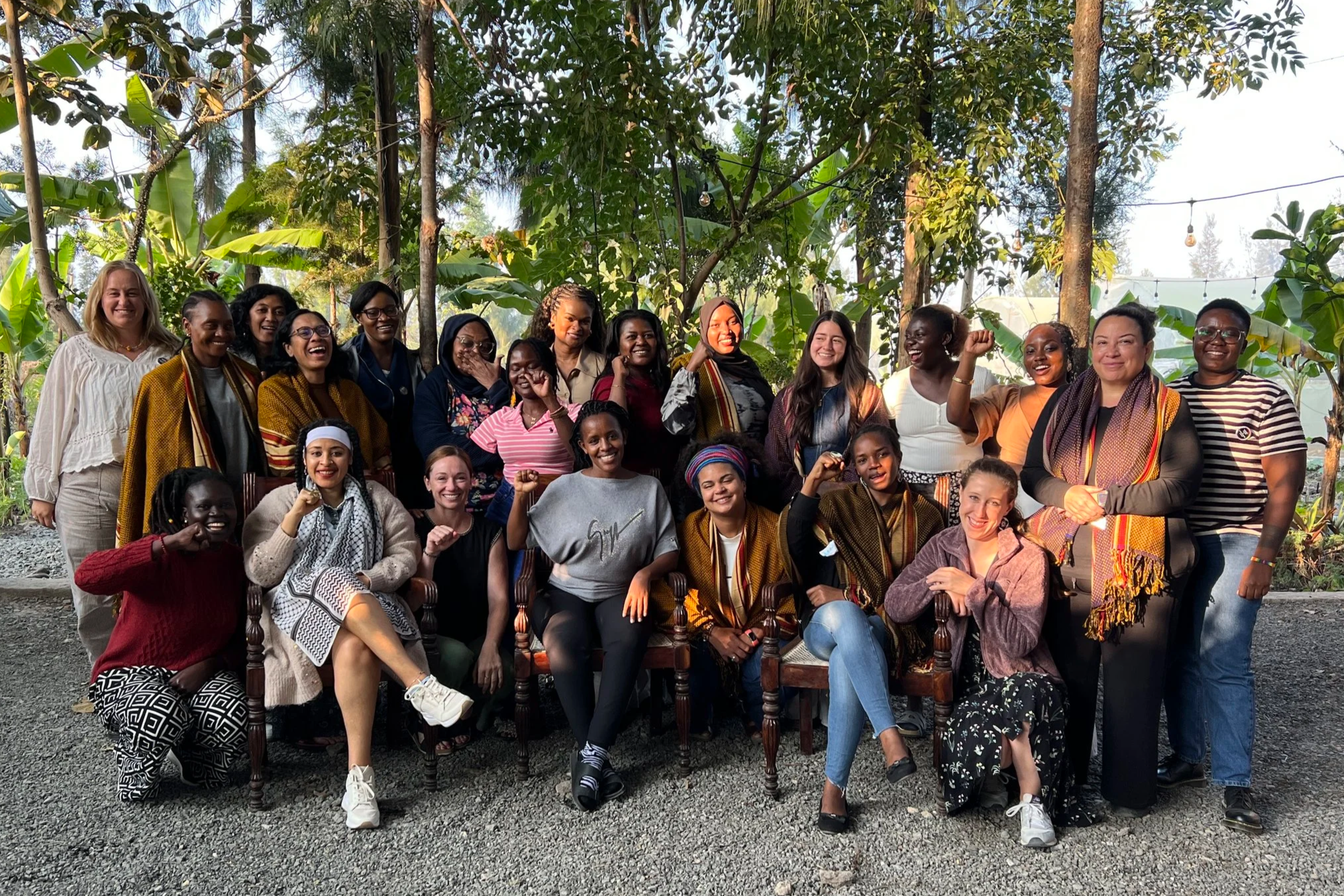
What does hope look like when the world feels overwhelming? What does hope look like among activists who refuse to give up? These questions shaped my experience as both a facilitator and participant at the Nairobi East Africa Summer Institute, hosted by the Institute for Global Leadership Initiative (IGLI) with Katutu Center for Civil Rights and Global Collective Kenya. Attending an IGLI institute is special because it lets us face urgent global challenges while also taking time to pause, breathe, and focus on practical action, all while building on our network of solidarity.
IGLI brings together feminist activists, organizers, and scholars for a week focused on international solidarity, sharing knowledge, and making space for rest. This summer, 26 inspiring leaders joined from Kenya, Rwanda, Ethiopia, Uganda, Sudan, South Sudan, Togo, Madagascar, and the United States. We represented movements for environmental sustainability, democracy, gender justice, and human rights. During the week, we shared strategies, learned about feminist approaches to care, and grounded our 'rigorous hope.'
One moment that stands out for me happened during Farida’s workshop on resisting authoritarianism. Farida, a pro-democracy activist from Togo, read from her diary and shared a passage she wrote during her activism. Her words echoed feelings I have also had: “Hope is not evidence that change is coming. Hope is the work of making change inevitable.”
As she spoke, I felt both the uncertainty and the possibility that hope brings. The world faces environmental decline, conflict, and threats to democracy. Still, being with these activists reminded me that people continue to show up every day, facing danger with courage. Farida’s message was clear: holding onto hope, even when it is hard, is a radical act.
As a student who feels the urgency of this moment and the need to fight for a future we all deserve, I stand particularly motivated by the hope of changing systems of power through education, cross-border solidarity, and strategic organizing. The institute renewed my commitment to global justice and reminded me that everyone has a role in confronting injustice, whether through research, community projects, or everyday acts of solidarity.
My own advocacy, from working on immigrant rights with the Court Research Project to helping rebuild trust in democracy with DU’s Office of Community Engagement, now feels more connected to a larger movement. At IGLI, standing alongside women who lead with hope and compassion gave me new clarity. Rigorous hope is not just an idea; it is what motivates my ongoing work to help build a world where everyone’s human rights are respected.
The spirit, knowledge, and connections from an IGLI institute stay with you long after it ends. Now, months later, I focus my work on thinking critically about what our world could become if we keep showing up every day in solidarity, working toward a more peaceful and just future for everyone. In uncertain times, our biggest personal risk is becoming apathetic, jaded, or hopeless. Instead, we lean on each other, find our grounding, and stay committed to our mission.
Together with Julia Zulver and the IGLI team, we are gathering stories of rigorous hope from participants. These stories will soon become a book series, showing how women around the world keep hope alive, even in the face of oppression. I am excited to see these stories reach new readers and spark more conversations about what it means to practice rigorous hope.

IGLI Institute
✶
Care
✶
Frontline Feminism
✶
Rigorous Hope
✶
IGLI Institute ✶ Care ✶ Frontline Feminism ✶ Rigorous Hope ✶
Author Bio
Leticia (Lety) Madrigal Tapia is a graduate student at the Josef Korbel School of Global and Public Affairs, University of Denver. She holds a B.A. in Political Science and is pursuing an M.A. in International Human Rights with a certificate in Public Policy. Lety is originally from Michoacán, Mexico, and holds her immigrant identity as the core of her work in the fight for global justice. She hopes to play an active role in creating and changing policies that protect and empower individuals' human rights worldwide. She is a 2023 recipient of the Obama - Chesky Voyager Scholarship for Public Service and an active alumni member of the Obama Foundation.